In architecture, a cupola /ˈkjuːpələ/ is a relatively small, most often dome-like, tall structure on top of a building.[1] Often used to provide a lookout or to admit light and air, it usually crowns a larger roof or dome.[2][3]

The word derives, via Italian, from the lower Latin cupula (classical Latin cupella from the Greek κύπελλον kupellon) "small cup" (Latin cupa) indicating a vault resembling an upside down cup.[a]
Background
The cupola evolved during the Renaissance from the older oculus. Being weatherproof, the cupola was better suited to the wetter climates of northern Europe.[citation needed] The chhatri, seen in Indian architecture, fits the definition of a cupola when it is used atop a larger structure.[citation needed]
Cupolas often serve as a belfry, belvedere, or roof lantern above a main roof. In other cases they may crown a spire, tower, or turret.[3] Barns often have cupolas for ventilation.[4][5]
Cupolas can also appear as small buildings in their own right.
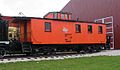
The square, dome-like segment of a North American railroad train caboose that contains the second-level or "angel" seats is also called a cupola.[6][7]
Gallery



| This article uses material from the Wikipedia article Metasyntactic variable, which is released under the Creative Commons Attribution-ShareAlike 3.0 Unported License. |